

What is it like working in hospitality in Dubai? Working in hospitality in Dubai offers the chance to work in some of the world’s best-known hotels, restaurants and attractions, alongside colleagues from dozens of countries. Many roles come with packages that can include accommodation, transport and flights home, and there is no personal income tax on salaries in the UAE. English is the main working language, so strong English skills are essential for getting hired and for moving up.
In this article I share 12 essential facts about working in hospitality in Dubai, from the types of jobs and packages to visas, English requirements and how to apply. For more on the language side, read my guide to English for hospitality.
- Why Dubai is a hospitality hotspot
- 12 essential facts about working in hospitality in Dubai
- 1. There is a huge range of jobs
- 2. English is the main working language
- 3. Employers often ask for good spoken English
- 4. Packages can be attractive
- 5. There is no personal income tax on salaries
- 6. Your employer usually sponsors your visa
- 7. The workplace is very multicultural
- 8. Standards are high
- 9. Hours can be long
- 10. Respect for local culture matters
- 11. Career progression can be fast
- 12. Summer is hot, winter is busy
- Is working in hospitality in Dubai right for you?
- How to get a job working in hospitality in Dubai
- English skills for working in hospitality in Dubai
- Final thoughts
- Working in hospitality in Dubai: FAQs
- Working in hospitality in Dubai: further reading
Why Dubai is a hospitality hotspot
Dubai is one of the busiest tourism destinations in the world. According to the Government of Dubai Media Office, the city welcomed 19.59 million international overnight visitors in 2025, its third record-breaking year in a row. New hotels, restaurants, theme parks and events open regularly, which creates a steady demand for hospitality staff.
The city now has more than 150,000 hotel rooms, ranging from budget hotels and serviced apartments to some of the most famous luxury resorts on the planet. Alongside the hotels, there are thousands of restaurants, cafés, beach clubs, malls, theme parks and event venues, all of which need well-trained, customer-focused staff.
Dubai’s busy events calendar helps too. Dubai Shopping Festival, the Dubai World Cup horse race and major trade shows such as GITEX bring waves of leisure and business travellers, while Dubai International Airport and Emirates’ global network make the city one of the best-connected places on earth. Tourism is also a central part of Dubai’s long-term economic plans, including the Dubai Economic Agenda (D33), so new openings and new jobs are likely to keep coming. For hospitality workers, this means a dynamic industry with opportunities at every level, from entry-level roles to senior management.

12 essential facts about working in hospitality in Dubai
1. There is a huge range of jobs
Roles include receptionists, guest relations agents, waiters, bartenders, chefs, housekeeping staff, spa therapists, events staff, sales teams and managers, across hotels, resorts, restaurants, airlines and attractions.
Hotels are the biggest employers, and a large five-star property can employ well over a thousand people across front office, food and beverage, housekeeping, kitchens, spa, security, engineering, finance and sales. Behind the scenes there are also roles in revenue management, human resources, training and IT that many people do not think of when they picture hotel work.
Outside hotels, there are opportunities with restaurant groups, beach clubs, cafés and catering companies, as well as theme parks, malls, event venues and attractions such as observation decks and museums. Aviation is another major employer, with airline cabin crew, airport lounges and ground handling teams all needing customer service staff. This variety means you can often find a role that matches your experience now, and then move sideways or upwards as your skills develop. For an overview of the options, see my complete list of jobs in travel and tourism.
2. English is the main working language
With staff and guests from all over the world, English is the shared language in most hospitality workplaces. Arabic is an advantage, but it is rarely essential.
In a typical hotel, you might help a family from Germany at breakfast, check in a business traveller from India and organise a tour for a group from China, all on the same shift. English is the language that connects all of them. It is also the language used for training, team briefings, emails, reports and standard operating procedures, so you will use it with your managers and colleagues as well as with guests.
Learning a few Arabic greetings, such as marhaba (hello) and shukran (thank you), is a nice touch that Emirati guests and colleagues appreciate. Other languages can also be valuable in guest-facing roles. Russian, Mandarin, Hindi, German and French are all useful, because Dubai attracts large numbers of visitors from these markets, and some employers specifically look for multilingual staff.
3. Employers often ask for good spoken English
Guest-facing roles usually require confident spoken English, and supervisory roles need strong written English too. See English level for hospitality jobs for typical levels.
At interview, recruiters often judge your English as much as your experience. They want to know that you can greet guests naturally, understand requests, explain options clearly and stay polite and calm under pressure. Many interviews for overseas candidates take place by video call, so being able to speak clearly and confidently on camera is important.
Written English matters more as you progress. Supervisors and managers write shift reports, reply to online guest reviews, send emails to other departments and contribute to training materials. If your English is at a basic level now, it is worth improving it before you apply, as it will widen the range of jobs available to you and help you move up more quickly once you are there.
4. Packages can be attractive
Many hospitality employers offer a package rather than a salary alone. Depending on the role and employer, this may include shared accommodation or a housing allowance, transport, meals on duty, medical insurance and an annual flight home.
Accommodation is one of the biggest benefits. Entry-level and junior staff are often housed in shared staff accommodation, sometimes with two or more people to a room, while more senior employees may receive a housing allowance and find their own apartment. Transport between the accommodation and the workplace is usually provided by staff bus.
Under UAE labour law, employees are entitled to paid annual leave, which rises to 30 days a year once you have completed a year of service, and to an end-of-service gratuity when the contract ends. Employers in Dubai are also required to provide health insurance for their staff. Some employers add extras such as a share of the service charge, staff discounts across their hotel group, meals on duty and paid training.
When comparing offers, look at the whole package rather than the basic salary alone. A slightly lower salary with good accommodation, meals and transport can leave you with more to save than a higher salary where you have to pay for everything yourself.
5. There is no personal income tax on salaries
The UAE does not charge personal income tax on employment income, which is a major attraction. However, living costs in Dubai can be high, so compare packages carefully.
This means your salary is paid without the income tax deductions you may be used to at home, which is one reason many hospitality workers see Dubai as a good place to save money. However, there is a 5% VAT on most goods and services, and you may still have tax obligations in your home country depending on its rules, so it is worth checking before you move.
Rent is usually the biggest expense in Dubai, which is why packages that include accommodation are so valuable. Eating out, alcohol and imported goods can also be expensive, although there are plenty of affordable supermarkets and casual restaurants, especially away from the main tourist areas. Creating a simple monthly budget before you accept a job will help you understand how much you can realistically save.
6. Your employer usually sponsors your visa
Most hospitality workers are employed on a residence visa sponsored by their employer. The official UAE government portal explains the rules on work permits and employment.
Your employer normally handles the paperwork and pays the costs of your work permit and residence visa. The process usually includes an entry permit, a medical fitness test, an Emirates ID application and the residence visa itself, which is linked to your employer. You will also sign an employment contract registered with the Ministry of Human Resources and Emiratisation (MoHRE), and new contracts often include a probation period of up to six months.
UAE law does not allow employers or recruitment agencies to charge workers recruitment fees, so be very wary of anyone who asks you to pay for a job offer or visa. Before you travel, make sure you have a written offer and contract that clearly sets out your job title, salary, benefits and working hours, and keep copies of all your documents.
7. The workplace is very multicultural
You will work with colleagues from Asia, Africa, Europe, the Middle East and beyond. Skills in communicating with international guests are just as useful with your team.
It is common for a single restaurant team to include people from the Philippines, India, Kenya, Egypt, Nepal, Sri Lanka, the UK and Eastern Europe. This mix is one of the best things about working in Dubai. You learn about different cultures, foods and traditions every day, and you build an international network that can support your career for years to come.
It does require patience and cultural awareness. Communication styles, attitudes to hierarchy and ideas about humour or personal space can differ from one culture to another, so being open-minded, respectful and willing to listen will help you work well with both your colleagues and your guests.
8. Standards are high
Luxury hotels in Dubai are known for exceptional service. Expect detailed training, grooming standards and high expectations of politeness and attention to detail.
Dubai is home to many of the world’s leading luxury hotel brands, as well as homegrown groups such as Jumeirah, and the city even has its own Michelin Guide. Guests often pay premium prices and expect highly personalised service, from staff remembering their preferences to anticipating their needs before they ask.
New employees usually go through an induction and on-the-job training covering brand standards, service sequences, safety and local culture. Grooming rules can be strict, covering uniforms, hair, make-up, jewellery and visible tattoos. If you are motivated to learn, these high standards are a real advantage, because experience gained in a Dubai luxury hotel is valued by employers all over the world.
9. Hours can be long
Like hospitality everywhere, shifts can include early mornings, late nights, weekends and public holidays, especially during the busy winter season.
UAE labour law sets standard working hours at a maximum of eight hours a day or 48 hours a week, with overtime paid for extra hours, although the exact arrangements depend on your contract and role. In practice, hospitality rosters follow guest demand, so split shifts, rotating schedules and working during big events are all common.
Your days off may fall midweek rather than at the weekend, and you will probably need to work during festive periods such as New Year’s Eve, when Dubai is at its busiest. Looking after your health, getting enough rest and making the most of your days off are important if you want to avoid burnout and enjoy your time in the city.
10. Respect for local culture matters
Dubai is welcoming and international, but it is important to respect local laws, customs and religious practices, especially during Ramadan.
The UAE is an Islamic country, and while Dubai is relaxed compared with some places in the region, there are laws and customs that everyone is expected to follow. Dressing modestly in public places such as malls, avoiding public displays of affection and only drinking alcohol in licensed venues are some of the basics. The legal drinking age in Dubai is 21, which is worth knowing if you hope to work in a bar or serve alcohol.
During Ramadan, the holy month of fasting, it is respectful to avoid eating, drinking or smoking in public view during daylight hours. Many hotels and restaurants change their opening hours and offer special iftar and suhoor dining, which makes this a busy and interesting time to work. Learning about Emirati culture, such as the tradition of welcoming guests with Arabic coffee and dates, will also help you understand and deliver the kind of hospitality the region is famous for.
11. Career progression can be fast
With so many hotels and constant growth, ambitious staff can move up quickly. Read career progression in hospitality for practical steps.
In many hotels, it is possible to move from a line role such as waiter or receptionist to supervisor within a couple of years, especially if you show reliability, initiative and good communication skills. Large international hotel groups often have internal promotion and transfer programmes, which can open doors to roles in other hotels in Dubai or elsewhere in the world.
To progress, take every training opportunity, ask to gain experience in other departments and let your manager know about your goals. Strong English and leadership skills are usually what separate the people who move up quickly from those who stay in the same role for years.
12. Summer is hot, winter is busy
Summer temperatures are very high, while the cooler months from October to April are the peak season for tourism and events.
From June to September, daytime temperatures regularly go above 40°C and humidity can be very high. Most indoor spaces are heavily air-conditioned, and outdoor workers are protected by the UAE’s summer midday break rule, which stops outdoor work in direct sunlight during the hottest part of the day.
The busy season usually runs from around October to April, when pleasant weather brings festivals, concerts, sporting events and large numbers of tourists. This is when hotels are fullest and you can expect to work hardest. Summer is often quieter, which can make it a good time to take your annual leave or focus on training.
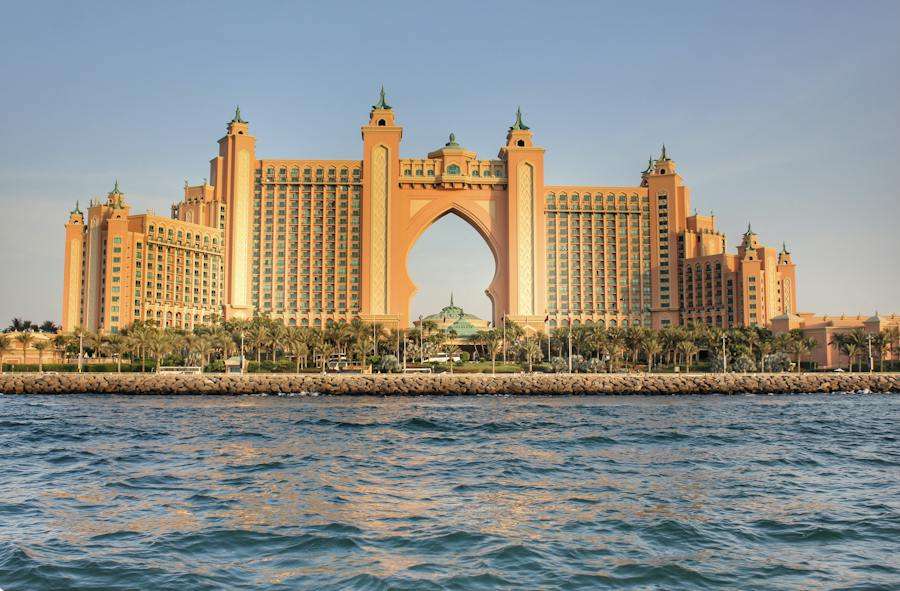
Is working in hospitality in Dubai right for you?
Working in hospitality in Dubai suits people who enjoy fast-paced, international environments and want to build their career quickly. It may be less suitable if you want to stay close to family or prefer a quieter lifestyle.
On the positive side, you will gain international experience, work with people from all over the world and have the chance to save money while building your CV. On the other hand, moving abroad can be challenging. Homesickness, adjusting to the heat, sharing accommodation and working long hours far from your usual support network are all things to think about honestly. Ask yourself these questions before you apply:
- Am I comfortable living far from home, possibly in shared accommodation?
- Can I adapt to a new culture and respect local laws and customs?
- Am I ready for long shifts during the busy season?
- Is my English strong enough for guest-facing work?
- Do I have clear career goals that this move will help me reach?
If you answered yes to most of these, working in hospitality in Dubai could be a rewarding next step.
It is also a good idea to speak to people who already work in hospitality in Dubai. Former colleagues, online groups and professional networks such as LinkedIn can give you an honest picture of daily life, staff accommodation and what it is really like to work for particular employers.
How to get a job working in hospitality in Dubai
Most hospitality jobs in Dubai are filled either by recruiting from overseas or by hiring people who already live in the UAE. Large hotel groups advertise vacancies on their own careers pages and on job sites such as LinkedIn, and some hold recruitment drives in other countries. Following these steps will give you the best possible chance:
- Research employers and check which hotel groups and restaurant brands are recruiting. Look at their websites, social media and reviews from current and former employees to get a feel for their culture and standards.
- Update your CV with clear examples of guest service and any international experience. Keep it to one or two pages, and highlight your languages, training, awards and any achievements such as positive guest feedback.
- Apply directly through employers’ career websites and reputable recruitment agencies. Many international groups list vacancies for all of their Dubai properties in one place, which makes it easy to apply for several roles.
- Prepare for video interviews, which are common for overseas candidates. Test your camera and microphone, dress as you would for a face-to-face interview and choose a quiet, well-lit space.
- Practise answers to hotel job interview questions in English. Prepare examples of times you handled a difficult guest, worked well in a team or went above and beyond.
- Check the contract, package and visa details carefully before you accept. Make sure the salary, accommodation, working hours, leave and probation period are all clearly written down.
Be cautious of anyone asking you to pay a fee for a job offer, and always apply through official channels.
It is also worth keeping an eye on new hotel openings. Hotels preparing to open, known as pre-opening properties, often recruit large numbers of staff at once, which can be a great opportunity to join a team from day one and learn how a hotel is set up.
English skills for working in hospitality in Dubai
In Dubai, you will use English with guests from many countries, many of whom also speak it as a second language. Clear pronunciation, polite phrases and the ability to handle requests and complaints calmly will help you stand out at interview and on the job. If you are hoping to work for an airline based in the region, see English for cabin crew too.
Useful skills to practise include welcoming guests, giving directions and recommendations, taking orders and reservations, explaining policies politely, handling complaints and making small talk. It also helps to get used to understanding different accents, as you will hear English spoken in many different ways every day. Even if your grammar is not perfect, speaking clearly, smiling and using polite phrases such as “Certainly, I’d be happy to help” will make a strong impression on guests and managers alike.
If you are planning a move and want to build confident, professional English first, the English for Career Progression in Hospitality and Tourism course is designed for hospitality and tourism workers aiming for international careers.
Want to speak English with confidence at work? English for Career Progression in Hospitality and Tourism is a blended course for hotel, restaurant, travel and tourism staff with at least A2 (CEFR) English. Learn key vocabulary and phrases online, practise them in live 60-minute small-group lessons and use them in realistic workplace role-plays, from welcoming guests to handling complaints.
Final thoughts
Working in hospitality in Dubai can be an exciting step, with world-class employers, attractive packages and fast career progression. It also demands hard work, high standards and confident English. Prepare well, research employers carefully and invest in your communication skills, and working in hospitality in Dubai could be the start of a brilliant international career.
If you are serious about making the move, start preparing now. Research the employers you would most like to work for, build relevant guest service experience where you are, save a little money for your first weeks in the city and keep improving your English. The more prepared you are, the more you will be able to make of every opportunity Dubai has to offer.
Working in hospitality in Dubai: FAQs
Below are answers to some of the most common questions about working in hospitality in Dubai.
Is it easy to get a hospitality job in Dubai?
There are many vacancies, but competition is strong. Candidates with guest service experience, good English and a professional CV have the best chances. Applying to several employers, being flexible about your first role and preparing well for interviews will all improve your chances.
Do you need to speak Arabic to work in Dubai hotels?
Usually not. English is the main working language in most hospitality workplaces, although Arabic is an advantage for some roles. Learning a few basic Arabic greetings is still a nice way to show respect for local culture.
Do Dubai hotels provide accommodation for staff?
Many hospitality employers offer shared staff accommodation or a housing allowance as part of the package, but this varies by employer and role. Entry-level staff are often given shared accommodation with transport to work, while senior staff are more likely to receive a housing allowance.
Do you pay tax on your salary in Dubai?
The UAE does not charge personal income tax on employment income, although living costs can be high. There is, however, a 5% VAT on most goods and services, and you should check whether you still have tax obligations in your home country.
What English level do I need to work in hospitality in Dubai?
Guest-facing roles usually need confident spoken English, often around B1 to B2, while supervisory and management roles typically need B2 or higher. If your English is below this level, a specialist hospitality English course can help you prepare before you apply.
Working in hospitality in Dubai: further reading
If you found this article helpful, you may also like these articles:
- English for hospitality: the essential guide
- Career progression in hospitality
- Hotel job interview questions
- English level for hospitality jobs
- Jobs in travel and tourism: the complete list
