

Health tourism is a growing trend around the world. But what is health tourism, why is it so popular and where do health tourists go? This article explains all.
What is health tourism?
Health tourism is a tricky one to define. It is more of an umbrella term, encompassing both wellness tourism and medical tourism. These two types of tourism may seem quite different, but they both fundamentally have health at their core. So, health tourism can be defined as follows:

Health tourism covers those types of tourism which have as a primary motivation, the contribution to physical, mental and/or spiritual health through medical and wellness-based activities which increase the capacity of individuals to satisfy their own needs and function better as individuals in their environment and society.
This definition comes from an executive summary published by the World Tourism Organization and the European Travel Commission in 2018. This shows that health tourism is a relatively new area of study. The two organisations also provided the following definitions of wellness and medical tourism respectively:
Wellness tourism is a type of tourism activity which aims to improve and balance all of the main domains of human life including physical, mental, emotional, occupational, intellectual and spiritual. The primary motivation for the wellness tourist is to engage in preventive, proactive, lifestyle enhancing activities such as fitness, healthy eating, relaxation, pampering and healing treatments.
Medical tourism is a type of tourism activity which involves the use of evidence-based medical healing resources and services (both invasive and non-invasive). This may include diagnosis, treatment, cure, prevention and rehabilitation.

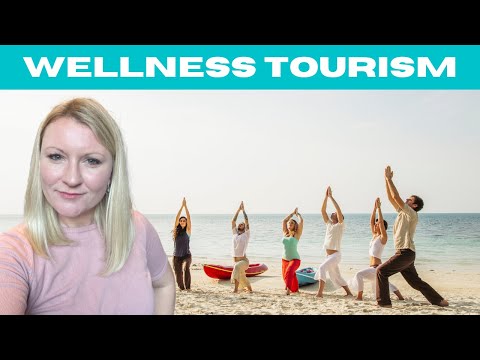
Video: What is wellness tourism?
The growth of health tourism
There are many reasons why health tourism is growing. People are keener than ever to put their health and wellbeing first, a trend that was accelerated by the COVID-19 pandemic. Rising stress levels, ageing populations, long waiting lists and high treatment costs in some countries, and easy access to information online have all contributed. As a result, more people are taking wellness trips to relax and recharge, and travelling abroad for affordable and accessible medical procedures. According to the Global Wellness Institute, wellness tourism alone was worth around $830 billion in 2023, with more than 800 million wellness trips taken worldwide.
In the UK, the term ‘health tourism’ is often used in the media in a different, negative sense – to refer to people who travel to the UK deliberately in order to access free treatment from the National Health Service (NHS). A government-commissioned study published in 2013 estimated that deliberate health tourism cost the NHS between £60 million and £300 million a year – a tiny fraction of its overall budget. Nevertheless, since 2017 hospitals in England have been required to charge overseas visitors who are not ‘ordinarily resident’ in the UK upfront for non-urgent care, and most people coming to the UK on visas of more than six months must pay an Immigration Health Surcharge (£1,035 per year for most adults since February 2024).
Why is health tourism important?
Health tourism is important for many reasons. Looking at it from an economic point of view, it provides a boost to local economies when people travel to a destination for any reason. So heading to a summer yoga retreat in Santorini or getting some dental work done in Turkey is contributing to the local economy. And it’s not just the cost of the treatment or stay – health tourists also spend money on food and drink, souvenirs and often sightseeing with local tour companies. All of these things mean a cash injection for the area and its inhabitants.
Linked to this is that health tourism often provides a cheaper opportunity to do something a person would otherwise do at home. Travelling for optional surgery or going to a small spa in a remote village might be much cheaper than doing so in their home country. In this way, health tourism actually provides people with a way to save money.
Health tourism is also important as it reflects the point made above – people are taking more of an interest in their health. Regardless of whether it’s wellness tourism or medical tourism, health tourists are travelling with the primary focus of improving their mind, body or life in some way. This is obviously a positive factor for society.
Health tourism activities
As health tourism combines wellness and medical tourism, the activities it involves are anything which falls under these categories. Essentially, anything a tourist does which is aimed at improving your health is classed as health tourism. See a list of activities below:
- Dental/dentistry
- Orthopedics
- Cosmetic/plastic surgery
- Cardiology
- Bariatric surgery
- Fertility treatment
- Eye surgery
- Ears, nose and throat
- Organ transplants
- Rehabilitation
- Alternative medication access
- Yoga retreats
- Spa visits
- Writing retreats
- Meditation centres
- Weight loss or healthy eating retreats
- Sensory deprivation
Popular health tourism destinations
There are many health tourism destinations around the world, and almost any country can be a health tourism destination for people from somewhere else. Which destinations are popular depends on what the tourist wants to get out of their trip. Some of the best known are outlined below.

Iceland
Iceland is a popular destination for health tourism, particularly wellness. With its geothermal pools, breathtaking scenery and hiking areas, the options are endless. The Blue Lagoon, whose mineral-rich, silica-filled waters are known for their benefits for skin conditions such as psoriasis, even has its own treatment clinic, making it a destination with medical as well as wellness appeal. Other popular geothermal spas include the Mývatn Nature Baths in the north of the country and the Sky Lagoon near Reykjavík, which opened in 2021.
Turkey
The term ‘Turkey teeth’ exists because large numbers of people, particularly from the UK, travel to Turkey for cosmetic dental treatment such as veneers and crowns, often promoted by celebrities and influencers on social media. Treatment can cost a fraction of the price in the UK, and visitors can combine their trip with a beach holiday. However, the British Dental Association has warned about the risks of poorly performed treatment abroad, and patients are advised to research clinics carefully and understand what aftercare will be available. Turkey is also a major destination for hair transplants and cosmetic surgery.
India
India is a big one for health tourism as it has a big wellness tourism industry combined with many options for medical tourists to have cheaper procedures done. Being such a spiritual country, it is no wonder that people come here for wellness purposes. The Indian government readily promotes the country as a hub for yoga, Siddha, naturopathy and Ayurveda – citing the ‘spiritual philosophy that has been integral to the Indian way of life’. There are retreats right across the country, particularly in countryside areas but also in the bustling cities which means it works for both primary and secondary wellness tourism.
Primary wellness tourism is when someone’s whole trip is focused on wellness; it is their sole reason for travel, and the major component of their trip. Every aspect of their holiday is tailored to wellness. Secondary wellness tourism is when general tourists incorporate some aspect of wellness (a massage on the beach during an all-inclusive Mexican vacation) into their holiday.
India is also a huge destination when it comes to medical tourism. Locations such as Chennai, Mumbai, Delhi and Kerala are popular for medical procedures, with costs being about one tenth of those in either the UK or the USA. Medical tourists travel to India for alternative medicine, cardiac procedures, bone-marrow transplants, eye surgery and hip replacements in particular.
Hawaii
Beautiful Hawaii is like one big spa in itself. Primary wellness tourists visit here in droves to experience the therapeutic salt water, the laid back atmosphere, the glorious sunshine and the traditional practices of lomilomi massage and pohaku (hot stone treatment). With scenery that will leave you lost for words, it is one of the most relaxing places in the world which is why wellness tourism is so big here – and so, by extension, is health tourism.
Thailand
This stunning country has cutting edge technology and beautiful spaces to relax – making it ideal for health tourism encompassing both wellness and medical tourism. People travel here for a range of procedures, from cosmetic surgery to dental work and health check-ups at internationally accredited private hospitals, choosing to get the procedure done for a lower price and recover somewhere beautiful! And there are so many options for wellness tourists, too. From Thai massage parlours to serene meditation retreats on beaches where the sunsets are bright pink and shiny gold, you couldn’t ask for somewhere more suited to a relaxing wellness trip.
The risks of health tourism
While health tourism has many benefits, medical tourism in particular carries risks. Standards of care and regulation vary between countries, there may be language barriers, and flying soon after surgery can increase the risk of complications such as blood clots. If something goes wrong, follow-up care may be difficult to arrange, and patients may need to be treated by their home country’s health system. The UK government and NHS advise anyone considering treatment abroad to check the qualifications of the clinicians and the accreditation of the clinic, to understand the full costs, and to plan for aftercare before travelling.
Health tourism: FAQs
Below are answers to some of the most common questions about health tourism.
What is health tourism?
Health tourism is an umbrella term for travel where the main motivation is to improve physical, mental or spiritual health. It includes both wellness tourism and medical tourism.
What is the difference between wellness tourism and medical tourism?
Wellness tourism focuses on preventive and lifestyle-enhancing activities, such as spas, yoga and fitness retreats, while medical tourism involves travelling for evidence-based medical treatment, such as surgery or dental work.
Why is health tourism growing?
Health tourism is growing because of greater interest in health and wellbeing, high treatment costs and long waiting lists in some countries, cheaper travel, and easy access to information about treatments and destinations abroad.
What are the most popular health tourism destinations?
Popular health tourism destinations include Turkey, India, Thailand, Mexico and South Korea for medical treatment, and destinations such as Iceland, Bali, Hawaii and India for wellness.
What does health tourism mean in the UK?
In the UK, the term is often used to describe people travelling to the UK to access free NHS treatment. Overseas visitors who are not ordinarily resident can be charged for NHS care, and many visa holders pay an Immigration Health Surcharge.
Health tourism: Further reading
If you found this article on health tourism useful, these articles may also be of interest:
- What is wellness tourism?
- Medical tourism: What, where and why
- What is dental tourism and why does it exist?
- What is special interest tourism and why is it so popular?
- What is alternative tourism and why is it growing so fast?
- What is birth tourism and is it legal?
